
How to Stop Cyberbullying: Signs and Prevention Strategies


Share
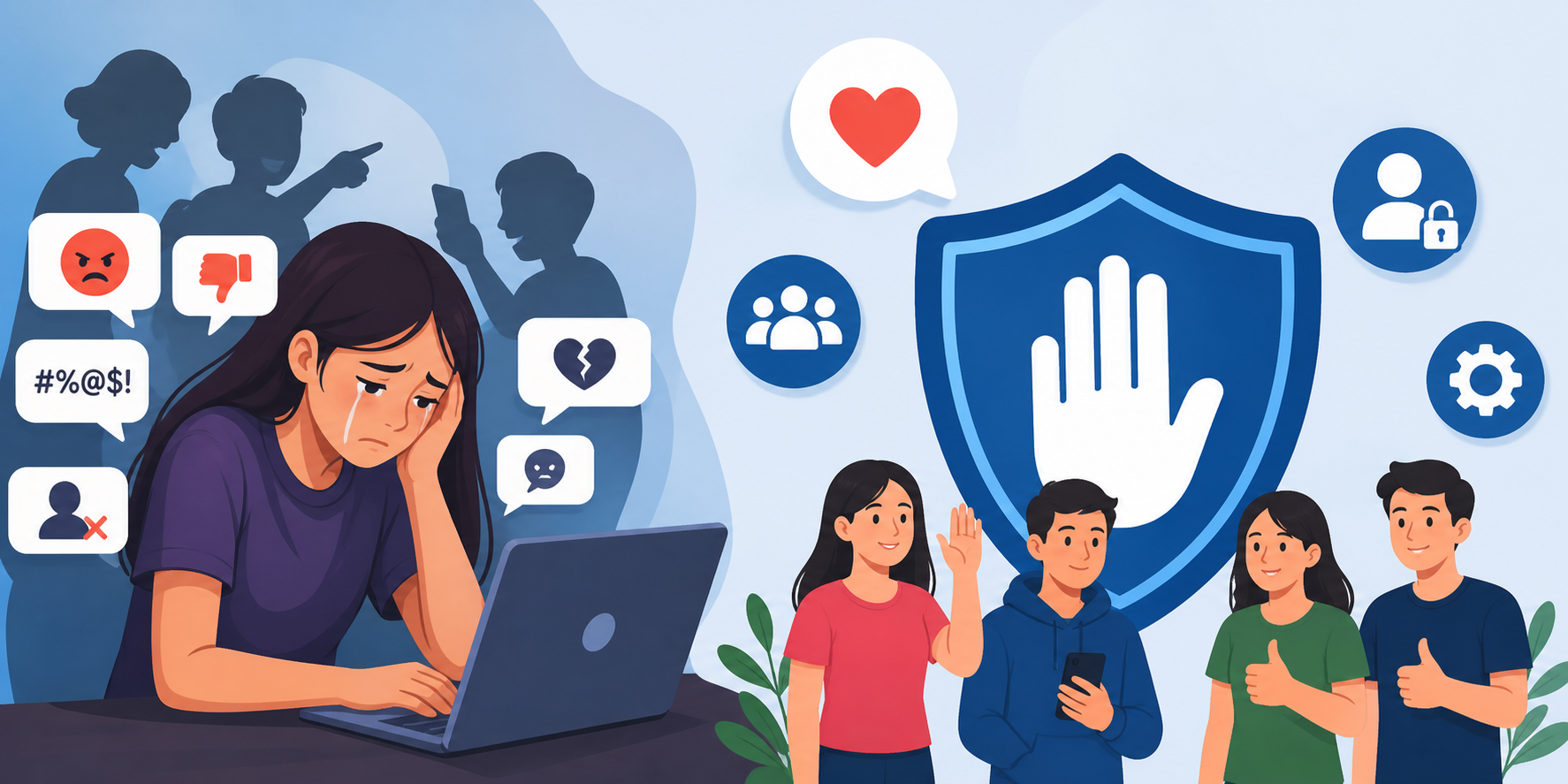


In today’s digital world, the internet has become a major part of our daily lives. From social media to online gaming and messaging apps, people are more connected than ever before. However, along with these benefits comes a serious issue: cyberbullying. It affects children, teenagers, and even adults, causing emotional stress, anxiety, and sometimes long-term psychological harm.
Understanding cyberbullying, recognizing its signs, and knowing how to prevent it are essential steps toward creating a safer online environment.
What is Cyberbullying?
Cyberbullying refers to bullying that occurs through digital platforms such as social media, messaging apps, emails, and online forums. It encompasses a variety of harmful behaviors carried out using technology. For instance, individuals may send threatening or abusive messages to intimidate others, spread rumors or false information to damage someone’s reputation, or share embarrassing photos and videos without consent. In some cases, cyberbullying also involves repeated harassment through persistent messaging or the creation of fake profiles to impersonate and humiliate a person.
Unlike traditional bullying, cyberbullying is not confined to a specific time or place. It can happen at any moment and spread rapidly to a wide audience. This constant accessibility and broad reach make it especially harmful, leaving victims feeling overwhelmed and unable to escape.
Common Signs of Cyberbullying
It’s not always easy to identify if someone is being cyberbullied, especially if they are reluctant to speak up. However, there are several warning signs parents, teachers, and friends should watch for:
1. Emotional Changes
Victims may suddenly appear sad, anxious, or angry after using their phone or computer. Mood swings and withdrawal from family or friends are also common.
2. Avoidance of Devices
If someone starts avoiding their phone, laptop, or social media accounts, it may be a sign they are trying to escape harassment.
3. Decline in Academic or Work Performance
Cyberbullying can affect concentration and motivation, leading to poor performance in school or work.
4. Sleep Disturbances
Victims often experience insomnia or nightmares due to stress and anxiety caused by online harassment.
5. Low Self-Esteem
They may start to doubt themselves, feel worthless, or lose confidence.
Recognizing these signs early can help prevent serious consequences.
Why Cyberbullying is Dangerous
Cyberbullying is not just “online drama.” It can have real-life effects, including:
- Depression and anxiety
- Social isolation
- Academic failure
- Self-harm or suicidal thoughts in severe cases
Because harmful content can spread quickly and remain online permanently, victims may feel trapped and helpless.
Prevention Strategies for Cyberbullying
Stopping cyberbullying requires effort from individuals, families, schools, and communities. Here are some effective prevention strategies:
1. Open Communication
Parents and guardians should encourage open conversations with children about their online activities. When kids feel safe sharing their experiences, they are more likely to report bullying.
2. Educate About Online Behavior
Teaching digital etiquette is essential. People should understand that their actions online have real consequences. Respect and kindness should be promoted in digital interactions.
3. Strengthen Privacy Settings
Users should secure their social media accounts by:
- Keeping profiles private
- Limiting who can contact them
- Avoiding sharing personal information
These steps can reduce exposure to potential bullies.
4. Block and Report
Most platforms offer tools to block and report abusive users. Victims should not hesitate to use these features to protect themselves.
5. Avoid Responding to Bullies
Responding to cyberbullies often encourages them. Ignoring or blocking them is usually more effective.
6. Save Evidence
Keeping screenshots or records of abusive messages can help in reporting the issue to authorities or school officials.
Role of Parents in Preventing Cyberbullying
Parents play a crucial role in protecting children from cyberbullying. Some practical steps include:
- Monitoring online activity without invading privacy
- Setting screen time limits
- Teaching children how to respond to online threats
- Using parental control tools for added safety
Digital monitoring solutions like TheOneSpy can also help parents monitor their children’s online interactions. When used responsibly, such tools can help identify early warning signs of cyberbullying and allow timely intervention without being overly intrusive.
Role of Schools and Communities
Schools and communities must also take responsibility for addressing cyberbullying. They can:
- Implement anti-bullying policies
- Conduct awareness programs
- Provide counseling services
- Encourage students to report incidents
Creating a supportive environment ensures victims feel safe seeking help.
How Victims Can Protect Themselves
If someone is experiencing cyberbullying, they should take the following steps:
- Do not blame yourself – It’s not your fault.
- Talk to someone you trust – A parent, teacher, or friend.
- Block the bully – Stop further interaction.
- Report the incident – Use platform reporting tools.
- Take breaks from social media – Focus on mental well-being.
Seeking professional help, such as counseling, can also be beneficial in dealing with emotional stress.
Creating a Positive Online Environment
Everyone has a role in making the internet a safer place. Simple actions can make a big difference:
- Be kind and respectful online
- Support victims instead of ignoring them
- Speak up against bullying
- Promote positive content
When more people take a stand against cyberbullying, it becomes easier to reduce its impact.
Conclusion
Cyberbullying is a serious issue that requires awareness, prevention, and action. By recognizing the signs early and implementing effective strategies, we can protect individuals from its harmful effects.
Parents, educators, and individuals must work together to create a safe and respectful digital environment. Tools like TheOneSpy can provide additional support for monitoring and protection. Still, the real solution lies in education, communication, and empathy.
The internet should be a place for connection, learning, and growth, not fear. By taking the right steps today, we can ensure a safer online experience for everyone.