
ChatGPT Privacy in 2026: What Users Should Know Before Sharing Data

Share
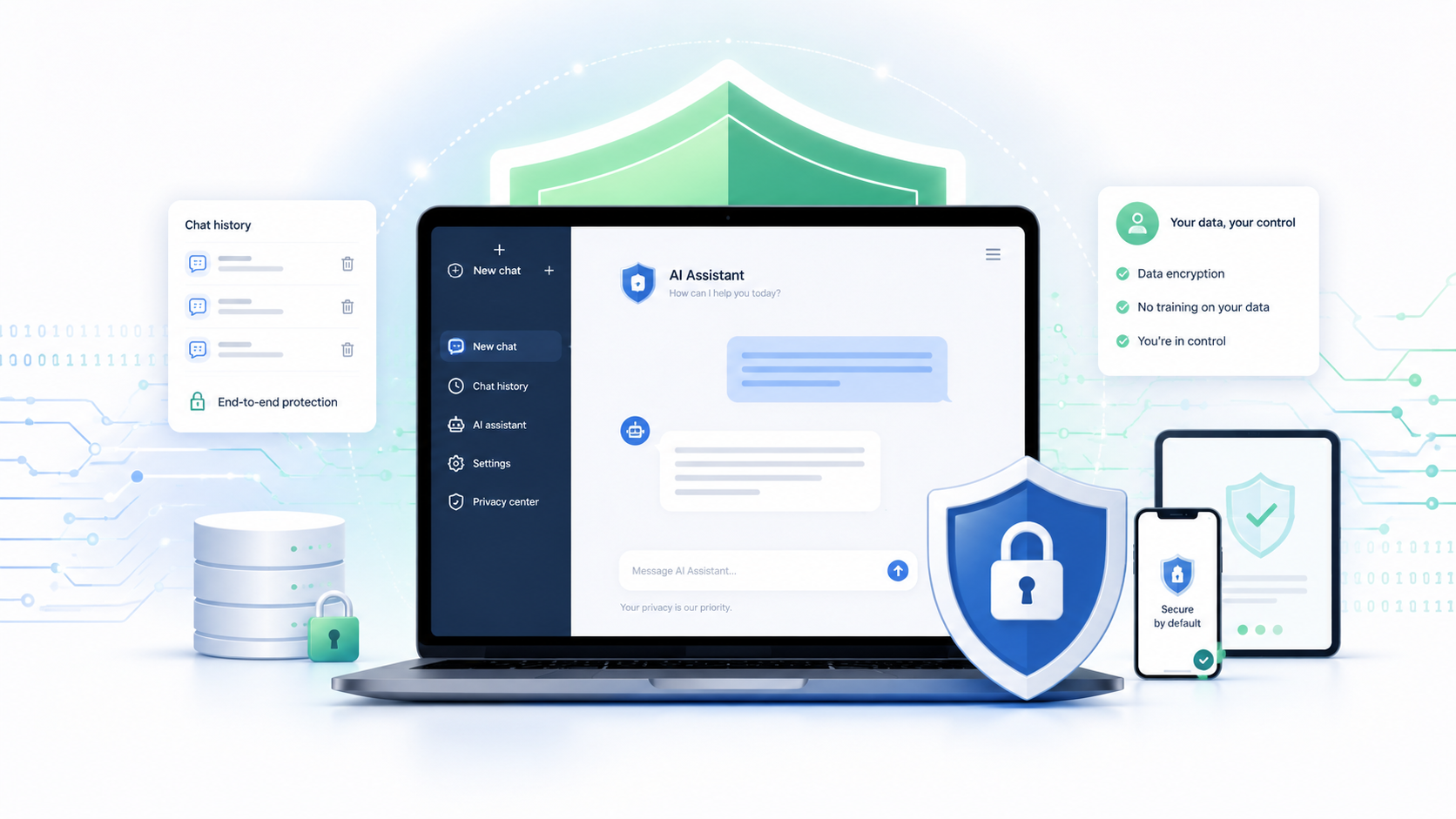
Artificial intelligence tools have quickly become part of everyday life. People now use ChatGPT to write emails, summarize documents, plan trips, solve coding problems, generate images, and even discuss personal or professional issues. But as useful as these tools are, privacy should not be treated as an afterthought.
Many users still assume that a conversation with ChatGPT is fully private, almost like talking to a personal notebook. In reality, AI platforms may collect different types of information, including account details, prompts, uploaded files, device information, general location data, and usage patterns. This does not mean every chat is publicly visible, but it does mean users should understand what they are sharing and how that information may be handled.
A helpful starting point is this detailed guide on ChatGPT and privacy, which explains what data ChatGPT may collect, how long information can be retained, and what privacy settings users should review in 2026.
One of the most important things to understand is that prompts can contain sensitive information even when users do not realize it. A simple request to rewrite a business proposal may include confidential company strategy. A legal question may reveal personal circumstances. An uploaded image may include location metadata, faces, or background details. Because of this, users should avoid entering passwords, financial information, private addresses, client documents, medical records, or anything they would not want stored or reviewed.
Privacy settings also matter. ChatGPT provides options such as temporary chats and data controls that can reduce how user content is used for model improvement. These settings are useful, but they do not turn ChatGPT into an end-to-end encrypted private messenger. Some data may still be retained for safety, abuse prevention, legal compliance, or system monitoring. That is why privacy-conscious users should combine platform settings with careful personal habits.
Another key point is account security. Even if a platform has strong safeguards, a weak password or reused login can expose a user’s chat history. Enabling two-factor authentication, using a unique password, and avoiding suspicious third-party browser extensions can greatly reduce risk. Users should also be cautious when connecting external apps, plugins, or services, because those tools may follow their own privacy policies.
For people who use ChatGPT professionally, the risks are even higher. Employees, freelancers, journalists, lawyers, researchers, and business owners should create clear rules about what can and cannot be shared with AI tools. Sensitive client data, internal documents, unreleased product ideas, and confidential communications should be handled with extra care.
The practical answer is not to stop using ChatGPT. The better approach is to use it intelligently. Keep prompts generic when possible, remove identifying details, review privacy settings regularly, secure your account, and think twice before uploading personal images or sensitive documents.
ChatGPT can be extremely useful, but privacy depends partly on the platform and partly on the user’s own behavior. In 2026, the safest users will be the ones who treat AI tools as powerful assistants, not private diaries.