Binance Founder CZ Calls 335 Million-Record Data Theft Claim a Scam

Share
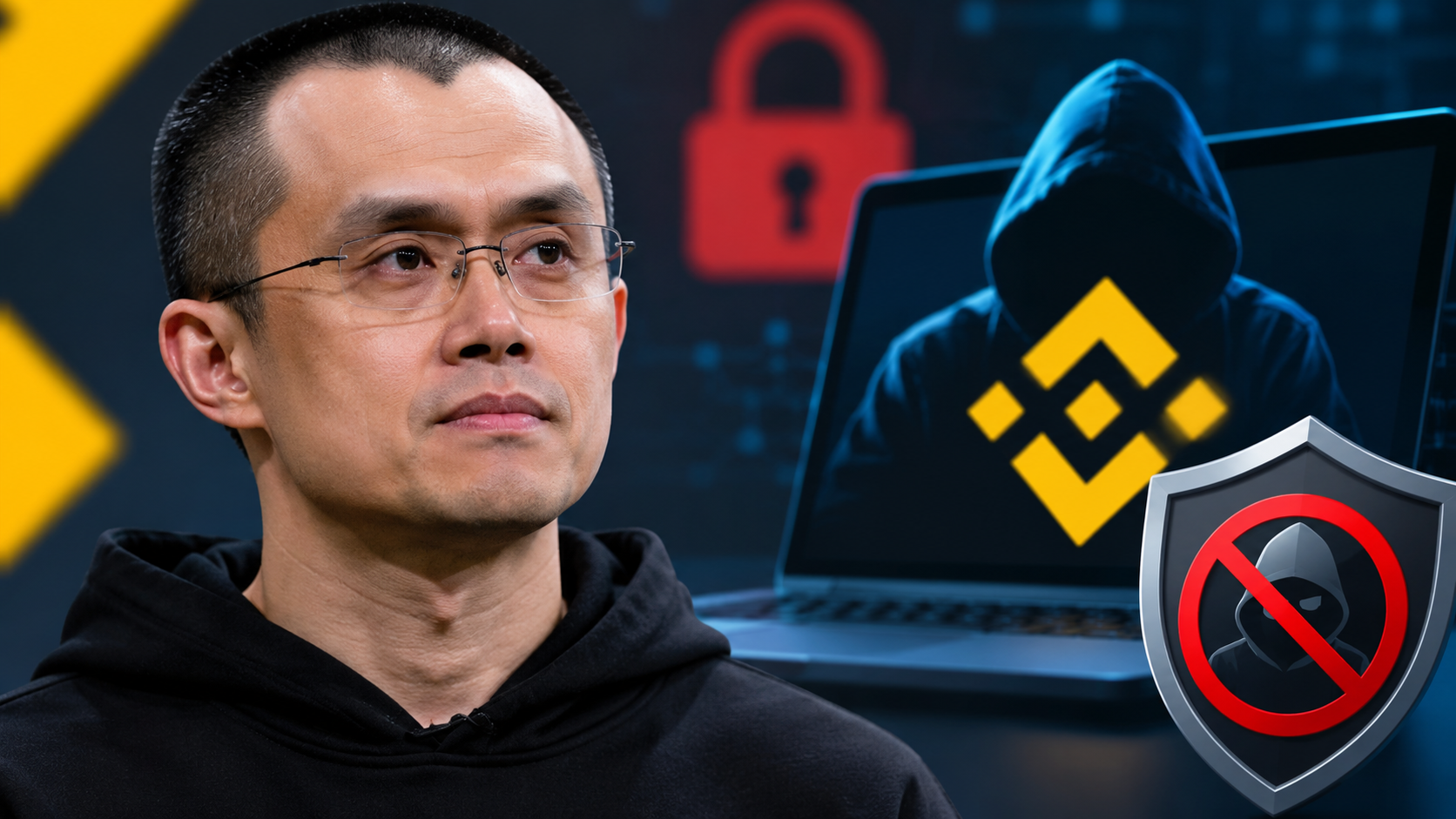
Binance founder Changpeng Zhao (CZ) has dismissed reports of a Binance data breach involving 335.9 million user records. He called the alleged theft a scam and questioned whether the seller had access to any genuine Binance customer information.
The claim surfaced after someone using the name ShinyHunters advertised a database on a cybercrime forum. The seller claimed to have information belonging to Binance users across nearly 170 countries.
The advertised records reportedly included email addresses, phone numbers, passwords, passport details, identity documents, transaction histories, and cryptocurrency wallet information.
The seller demanded $900,000 in Bitcoin or Monero and threatened to release the data if Binance refused to pay.
Why CZ Doesn’t Believe the Claim
CZ questioned the seller’s story in a November 9 post on X. He pointed out that anyone who had access to cryptocurrency wallet private keys could simply transfer the funds instead of trying to sell the information.
Binance also found several problems with the claims.
The company said it doesn’t store customer passwords in plaintext or hold private keys for customers’ external wallets. The advertised records also mentioned countries where Binance no longer operates.
After an initial investigation, Binance said it found no evidence that anyone had accessed its systems or stolen customer information.
Security Researchers Raise Questions About the Data
Cybersecurity firm Brandefense had spotted similar advertisements between October 30 and November 2, 2026. Four versions appeared under different seller names, with prices ranging from $500,000 to $900,000.
The researchers questioned whether the information was genuine. They also found it unusual that the seller claimed to have such a wide range of sensitive data, including private keys.
Brandefense couldn’t independently confirm the authenticity of the records.
Another point worth noting is that 335.9 million records doesn’t necessarily mean the same number of people were affected. A single person can have multiple records in a database.
Binance also said that similar claims in the past have involved information stolen through infostealer malware on users’ devices rather than attacks on the exchange itself.
Is the Binance Data Breach Connected to the October Hack?
The latest claim comes shortly after a separate security incident on October 29, 2026, when attackers reportedly stole around $6.34 billion in cryptocurrency after compromising Binance’s wallet-signing infrastructure. The FBI attributed that attack to North Korean hackers.
However, there’s no confirmed link between the October incident and the latest claims about stolen customer records.
What Should Binance Users Do?
Although Binance has denied the latest allegations, users should remain careful about suspicious emails and messages claiming their accounts have been compromised.
Binance users should enable two-factor authentication, avoid unfamiliar links, and never share their passwords, verification codes, or wallet recovery phrases.
For now, the Binance data breach claim remains unverified. Binance says its investigation has found no evidence of a related breach, while security researchers have questioned whether the advertised records are genuine.
Sources:
Binance founder CZ rejects 335M-record data theft claim
Binance denies data breach after alleged ShinyHunters claims
Binance Data Sale Claim: Claimed vs Plausible – Brandefense