
New U.S. Cybersecurity Rules Are Pushing Small Defense Suppliers to the Brink

Share

The United States has rolled out stricter cybersecurity rules for companies in the defense industry. These rules aim to protect sensitive government data from cyber espionage, leaks, and foreign interference. The changes apply not only to major defense contractors but also to small manufacturers, niche technology vendors, and subcontractors that form the backbone of the defense supply chain.
While the security goal is sound, the real-world impact on small suppliers is becoming clearer. For many of them, meeting these new requirements is no longer a simple compliance exercise. It is a financial and operational decision that could determine whether they continue working with the defense sector at all.
TL;DR
New U.S. cybersecurity rules under the CMMC framework are now mandatory for defense contractors and subcontractors. While the goal is to protect sensitive government data, the cost and complexity of compliance are creating serious challenges for small suppliers. With compliance costs running into hundreds of thousands of dollars and audits becoming mandatory, some firms are reconsidering their place in the defense market. This could weaken the defense supply chain over time.
What Changed Under the New Cybersecurity Rules
The U.S. Department of Defense has begun enforcing the Cybersecurity Maturity Model Certification, known as CMMC. This framework sets minimum cybersecurity standards for any company that wants to handle sensitive defense-related information.
Under the new rules, companies must:
- Conduct cybersecurity self-assessments
- Put technical and organizational safeguards in place to protect controlled unclassified information
- Prepare for independent third-party audits at higher certification levels
Stricter audit requirements are scheduled to become mandatory by late 2026. Companies that fail to meet these requirements risk losing eligibility for future defense contracts. For many suppliers, this means cybersecurity investment is no longer optional. It is now a basic cost of doing business with the defense sector.
Why Small Defense Suppliers Are Struggling
For small and medium-sized suppliers, the challenge goes beyond installing security tools or updating policies. Compliance comes with uncertainty, cost, and long-term commitments.
Many firms say they are unclear about:
- What qualifies as controlled unclassified information in their workflows
- Which specific cybersecurity controls apply to their role in the supply chain
- How to prepare for audits when detailed guidance and timelines continue to evolve
This lack of clarity makes planning difficult. Smaller firms often operate with lean teams and tight budgets. Unlike large defense primes, they do not have dedicated compliance or cybersecurity departments. Every new requirement competes with core business needs such as production, hiring, and customer delivery.
Costs Are Raising Serious Concerns
The cost of complying with the new U.S. cybersecurity rules is emerging as one of the biggest barriers for small defense suppliers. Industry estimates suggest that full compliance can require additional spending of hundreds of thousands of dollars per company. For firms with fragile finances, this level of investment is hard to absorb.
The pressure is even higher for companies that operate in both defense and commercial markets. These firms already deal with multiple regulatory and compliance frameworks. The added cybersecurity burden is forcing some to rethink whether defense contracts are still worth pursuing.
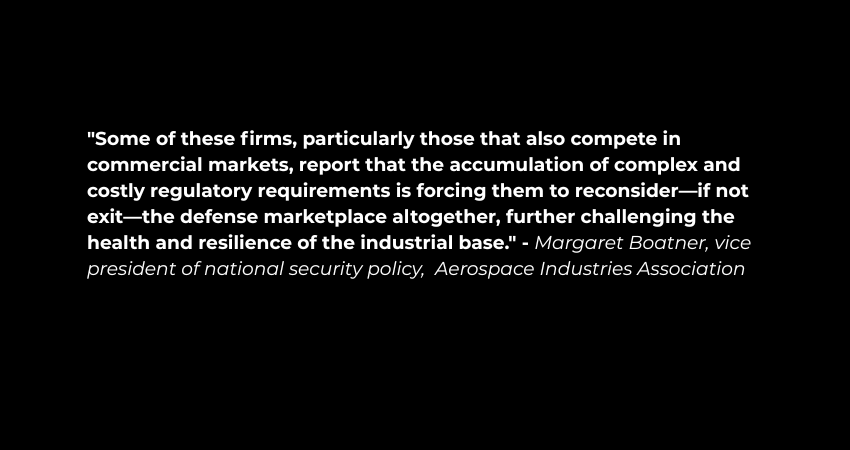
Industry bodies have warned that this trend could weaken the overall defense industrial base. The accumulation of complex and costly regulatory requirements is pushing some small firms to reconsider their role in defense supply chains. In some cases, companies are actively evaluating whether to exit the defense market altogether.
Small businesses form the backbone of the aerospace and defense sector. Around 88 percent of aerospace firms in the United States are small businesses, based on government data. If even a portion of these suppliers step away due to compliance costs, the impact on production capacity, innovation, and supplier diversity could be significant.
There are already early signs of strain in the supply chain. Some aerospace manufacturers report that a portion of their suppliers are unwilling to undergo the more stringent cybersecurity audits required under the new rules. In other cases, suppliers have not yet indicated whether they plan to comply. This leaves larger manufacturers uncertain about the future availability of parts and services they rely on.
This uncertainty becomes even more critical when small suppliers are the sole source of specific components used in defense programs. If a single specialized supplier decides not to comply, entire production lines could face delays, redesigns, or sourcing challenges.
What This Means for the Defense Supply Chain
Small suppliers play a crucial role in keeping defense programs running smoothly. They provide specialized parts, niche expertise, and manufacturing flexibility that larger contractors often depend on.
If small suppliers exit the defense market due to compliance pressure:
- Supply chains could become more fragile
- Fewer vendors could drive up costs
- Production timelines could slow down
- Programs that rely on sole-source suppliers could face disruption
The challenge is not limited to U.S.-based firms. International suppliers that support U.S. defense contractors must balance these cybersecurity rules with local data protection and privacy laws. This dual compliance burden increases operational complexity and cost, making defense work less attractive for some foreign suppliers as well.
Security Gains vs. Industry Strain
Stronger cybersecurity across the defense industry is necessary. Defense contractors and their suppliers have long been targets of cyber espionage and intellectual property theft. Even a small supplier with weak security can become an entry point for attackers into larger defense networks.
But the new rules also introduce friction into a system that already faces supplier shortages and rising costs. The defense sector is under pressure to scale production and strengthen supply chain resilience. If compliance costs push smaller players out, the supplier base could shrink instead of grow.
Over the next year, many small suppliers will face a difficult choice. Either invest heavily in cybersecurity compliance or step away from defense contracts altogether. That decision will shape who gets to participate in the defense industry and how resilient the supply chain remains in the long run.
FAQs
What is CMMC in simple terms?
CMMC is a set of cybersecurity rules that defense contractors and their suppliers must follow to protect sensitive government data from cyber threats.
Who needs to comply with these cybersecurity rules?
Any company that works on U.S. defense contracts, including small subcontractors and niche suppliers, must meet the required security standards.
Why are small defense suppliers struggling with compliance?
The main challenges are high compliance costs, lack of clarity around requirements, and the need to prepare for formal audits with limited internal resources.
How much does CMMC compliance cost for small companies?
Compliance can cost hundreds of thousands of dollars per company, depending on existing cybersecurity maturity and the level of certification required.
Can companies opt out of compliance?
Companies can choose not to comply, but they will no longer be eligible for most U.S. defense contracts.
Will these rules improve national security?
Yes. Stronger cybersecurity reduces the risk of sensitive defense information being stolen or misused. The challenge is balancing security needs with the sustainability of small suppliers.