The Biggest Cyber Attacks of 2025

Share

The internet felt less safe in 2025. People depended on digital systems more than ever before. Work, money, healthcare, and communication all flowed through connected networks. This deep dependence made failures more painful and more visible.
During the year, several shocking incidents unfolded across the world. Systems went offline without warning. Sensitive data appeared in illegal markets. Public services slowed or stopped. These events later came to be known as the biggest cyber-attacks of 2025, not because of headlines alone, but because of their lasting impact.
Cybercrime was no longer just about stealing credit card numbers. It became organized, patient, and strategic. Some attacks aimed to disrupt daily life. Others focused on silent data theft. Many stayed hidden for months. Together, they exposed serious weaknesses in modern digital systems.
Part 1: Why 2025 Became a Turning Point for Cyber Threats?
Cyber-attacks did not suddenly appear in 2025. They had been growing for years. What changed was scale and confidence. Attackers became bolder. Defenders struggled to keep up.
One key reason was rapid digital expansion. Companies adopted cloud tools quickly. New software was launched under pressure. Security reviews were rushed or skipped. Each shortcut created a risk.
Remote work also played a role. Employees logged in from homes, cafes, and shared networks. Many used personal devices. These environments lacked proper protection. Attackers noticed this weakness early.
Another factor was human behavior. Phishing emails became more convincing. Messages used real names and details. One click often gave attackers full access. Several major cyber-attacks began with nothing more than a simple email.
Cybercrime groups also matured. They shared resources and intelligence. This cooperation allowed smaller groups to cause serious damage. Cybercrime became a business.
Part 2: Financial Systems Under Coordinated Attack

The financial sector faced one of its worst digital crises in years. A widely used payment processing platform was compromised. Banks across regions experienced outages almost at the same time. This incident became one of the biggest cyber-attacks of 2025.
Hackers did not break into banks directly. They attacked the trusted third-party software. Once inside, they moved through connected systems quietly. Detection came too late.
Online banking services were disrupted. International transfers failed. Businesses could not pay suppliers on time. Customers flooded support centers.
Later investigations showed that transaction metadata had been accessed. While account balances stayed safe, customer trust suffered. Markets reacted sharply.
Regulators responded quickly. Audits increased. Vendor access rules were tightened. Financial institutions were forced to rethink how much they trusted external software providers.
Part 3: Healthcare Networks Pushed to the Brink
 Hospitals and healthcare providers were prime targets in 2025. Attackers understood the stakes. Downtime could cost lives. Ransomware attacks lock systems at critical moments. These cybersecurity breaches were not abstract problems. They affected real people.
Medical records became inaccessible. Appointment systems failed. Doctors lost access to imaging and lab results. Some emergency departments had to divert patients.
Many healthcare systems relied on outdated software. Updates were delayed due to cost or compatibility concerns. Backup systems were often incomplete or untested.
Common weaknesses included:
- Old operating systems are still in use
- Shared login accounts among staff
- Poorly secured medical devices
- Limited cyber response planning
Attackers demanded high payments. Some hospitals paid to restore access quickly. Others refused and faced weeks of recovery.
Public pressure grew. Governments introduced stricter rules for healthcare data protection. Cyber safety became part of patient safety discussions.
Part 4: Social Media and the Danger of Silent Breaches
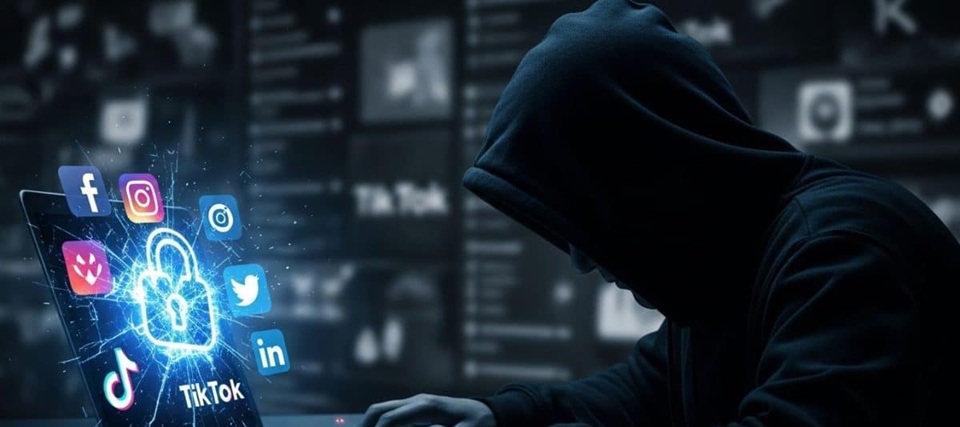 One of the most unsettling incidents of the year involved a major social media platform. Hackers accessed private messages and stored media over a long period. This event ranked among the most damaging major cyber-attacks of 2025.
The breach began with an internal testing server left exposed online. It lacked proper access controls. Hackers entered quietly and stayed undetected for months.
During that time, massive amounts of user data were copied. No alerts were triggered. Users remained unaware until samples appeared on underground forums.
The fallout was severe. Users lost trust. Many deleted accounts. Regulators demanded answers. Heavy fines followed.
This incident showed how silent breaches can cause more serious damage than loud disruptions. The harm continued long after discovery.
Part 5: Government Systems and Digital Espionage
 Governments around the world reported coordinated intrusions in 2025. These attacks were not random. They were deliberate acts of espionage. Analysts linked them to state-backed groups. These events were later grouped with the biggest cyber attacks of 2025.
The goal was information, not money. Emails, policy drafts, research data, and internal communications were accessed. Some documents were altered and leaked later.
Attackers used advanced tools. These tools avoided detection and blended into normal activity. In some cases, they remained hidden for over a year.
The attacks increased diplomatic tension. Accusations followed. Cyber defense became a key topic in international discussions.
These cybersecurity breaches showed that even well-funded systems are vulnerable. Digital borders are difficult to protect.
Part 6: Artificial Intelligence Changes the Battlefield
Artificial intelligence played a major role in cyber activity during 2025. Attackers used AI to improve phishing campaigns. Messages sounded natural and personal. This increased the success rates.
AI tools scanned networks faster than before. Weak points were found in minutes. Attacks became more precise and targeted.
Defenders also relied on AI. Security systems learned normal behavior patterns. Unusual activity triggered faster alerts. Response times improved.
Still, attackers often stayed ahead. Automation widened the gap. Many major cyber-attacks involved AI-driven tools on one side or the other.
Experts believe this trend will continue. AI will shape how future digital conflicts unfold.
Part 7: Businesses Face Hard Lessons
Businesses across industries were forced to confront uncomfortable truths. Many had treated security as a technical issue rather than a core risk. The events of 2025 proved otherwise.
Repeated cybersecurity breaches exposed poor planning. Backup systems failed. Response teams were unprepared. Communication was slow.
Key lessons became clear:
- Employee training reduces risk
- Strong access control limits damage
- Backups must be tested regularly
- Clear response plans matter
Leadership teams began to pay attention. Security budgets increased. Cyber risk became a board-level concern.
Transparency also proved important. Companies that communicated early recovered faster. Silence made the public reaction worse.
Part 8: Long-Term Impact on Society and Trust
The cyber incidents of 2025 changed how people think about digital life. Trust became fragile. Users questioned how their data was stored and used.
Insurance costs rose. Compliance rules became stricter. Cyber roles gained influence inside organizations.
Governments increased cooperation. Information sharing improved. Cybercrime was treated as a global threat rather than a local problem.
The effects reached beyond technology. They shaped business strategy, public policy, and personal behavior.
Author’s Tip:
As a daily PC user, you should scan your device for malware from time to time. This could help you avoid unknown threats. You can use the built in system in your computer or take help of a specialized tool.
Summary Table: Key Cyber Attack Areas in 2025
The table below gives a clear overview of how different sectors were affected by cyber-attacks in 2025. It highlights the common attack types, the systems that were targeted, and the kind of damage each sector faced.
This summary helps show patterns across industries and explains why some areas suffered more lasting impact than others.
| Sector | Type of Attack | Primary Targets | Immediate Impact | Data at Risk | Long-Term Consequences |
| Finance | Supply chain breach, malware | Payment processors, banking software | Service outages, delayed transactions | Transaction records, customer metadata | Stricter vendor audits, tighter compliance rules |
| Healthcare | Ransomware, system lockouts | Patient record systems, hospital networks | Delayed treatment, canceled procedures | Medical histories, personal data | New regulations, higher security spending |
| Social Media | Silent data breach, data scraping | User databases, private messaging systems | Loss of user trust, account misuse | Messages, images, profile data | Heavy fines, user decline, legal action |
| Government | Espionage, persistent intrusion | Internal networks, research systems | Information leaks, system monitoring | Policy documents, internal emails | Increased cyber defense budgets, diplomatic tension |
| Business | Phishing, credential theft | Employee accounts, internal tools | Financial loss, operational slowdown | Login details, internal files | Mandatory training, stronger access control |
Conclusion
The events of 2025 marked a clear shift in digital risk. Attacks became more organized and more damaging. No sector was untouched. From hospitals to governments, the damage followed familiar patterns.
The lesson is simple. Cyber threats are permanent. Studying major cyber attacks is no longer optional. Preparation, awareness, and response define survival in a connected world.
FAQs
- Why did cyber-attacks feel worse in 2025?
Cyber-attacks felt worse in 2025 because they were planned with more care and patience. Attackers did not rush. They stayed inside systems for long periods without being noticed. Better tools helped them move quietly and avoid alerts. Many attacks also targeted shared services, which increased the damage. When problems finally appeared, the impact was already large and hard to control. - Which sectors suffered the most damage?
Healthcare, finance, and government systems suffered the most damage because they support daily life. Hospitals depend on constant access to data, so even short outages can cause serious problems. Financial systems faced service disruptions that affected businesses and individuals. Government networks held sensitive information, which made them attractive targets for spying and data theft. - Can future attacks be fully prevented?
Future attacks cannot be fully prevented because digital systems are always evolving. New tools and connections create new risks. However, strong planning can limit the damage. Regular updates, staff training, tested backups, and fast response plans all reduce recovery time. Preparation does not stop every attack, but it greatly improves the outcome.